847-847-2999
Eating enough food does not always mean getting enough nutrition.
Public-health organizations use the term “hidden hunger” to describe deficiencies in vitamins and minerals that may not always be obvious from calorie intake alone. Someone can consume enough energy—or even more than enough—while still falling short on certain micronutrients. The World Health Organization uses the term in this micronutrient-deficiency context. World Health Organization
For most people in the United States, this does not mean they should assume they have a nutrient deficiency. It does mean that calories and nutritional quality are not the same thing.
A better question may be:
Are the foods we eat regularly providing enough variety, fiber, vitamins, minerals, and other nutrients?
What Does “Hidden Hunger” Actually Mean?
Traditional hunger usually refers to not getting enough food or calories.
Hidden hunger is different. It refers specifically to inadequate intake or status of one or more micronutrients, even when calorie intake may be sufficient. Globally, micronutrient deficiencies remain an important nutrition concern, especially among vulnerable populations. World Health Organization
But the term needs to be used carefully.
Feeling tired, hungry, or unfocused does not automatically mean you have a micronutrient deficiency. Those symptoms can have many causes, and actual deficiencies may require appropriate medical evaluation or laboratory testing.
What nutrition data can tell us, however, is that certain nutrients and food groups are commonly underconsumed.
What U.S. Nutrition Data Show
Federal dietary guidance has repeatedly identified gaps between what many Americans eat and recommended dietary patterns.
For example, the 2020–2025 Dietary Guidelines reported that more than 90% of women and 97% of men did not meet recommended fiber intake. The same guidance identified calcium and vitamin D as nutrients many adults consume in inadequate amounts. Dietary Guidelines
NIH data also show that dietary vitamin D intake is often below recommended amounts, although dietary intake and actual vitamin D status are not the same thing because sunlight and other factors also affect vitamin D levels. ODs.OD.nih
Potassium is another essential nutrient found naturally in vegetables, fruits, beans, lentils, dairy foods, nuts, and other foods. NIH notes that recommended intake varies by age and sex. ODs.OD.nih
The takeaway is not that everyone is deficient.
It is that diet quality still matters even when calorie intake is adequate.
Calories Tell Only Part of the Story
Calories measure energy.
They do not tell us how much fiber, potassium, calcium, vitamin D, iron, magnesium, protein, or other nutrients a meal contains.
Two meals can contain a similar number of calories but provide very different nutritional profiles.
That is one reason current CDC guidance emphasizes nutrient-dense foods such as vegetables, fruits, whole grains, protein foods, healthy fats, and other minimally processed choices. CDC
This does not mean every processed food is nutritionally poor, or that every meal needs to be perfect.
It means the overall pattern matters.
Nutrient Density: A More Useful Way to Think About Food
Nutrient density is a simple idea:
How much useful nutrition does a food provide relative to the amount of energy it contains?
Foods such as vegetables, fruits, beans, lentils, nuts, seeds, whole grains, eggs, dairy foods, seafood, and other minimally processed foods can provide combinations of vitamins, minerals, protein, fiber, healthy fats, and naturally occurring plant compounds.
No one food provides everything.
That is why dietary variety matters.
Instead of trying to find one “superfood,” it is generally more useful to build meals from several nutrient-rich food groups.
Fiber Is One Area Where Many Diets Fall Short
Fiber is especially important because most Americans do not meet recommended intake levels.
Fiber is naturally found in:
- Vegetables
- Fruits
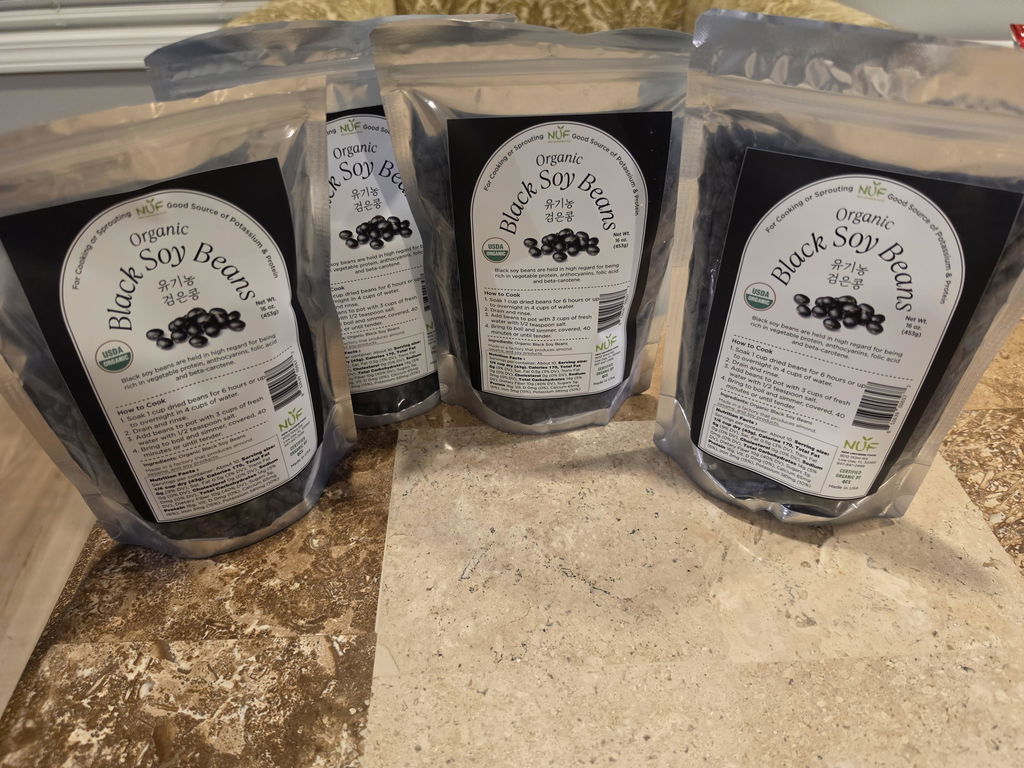
- Beans and lentils
- Whole grains
- Nuts
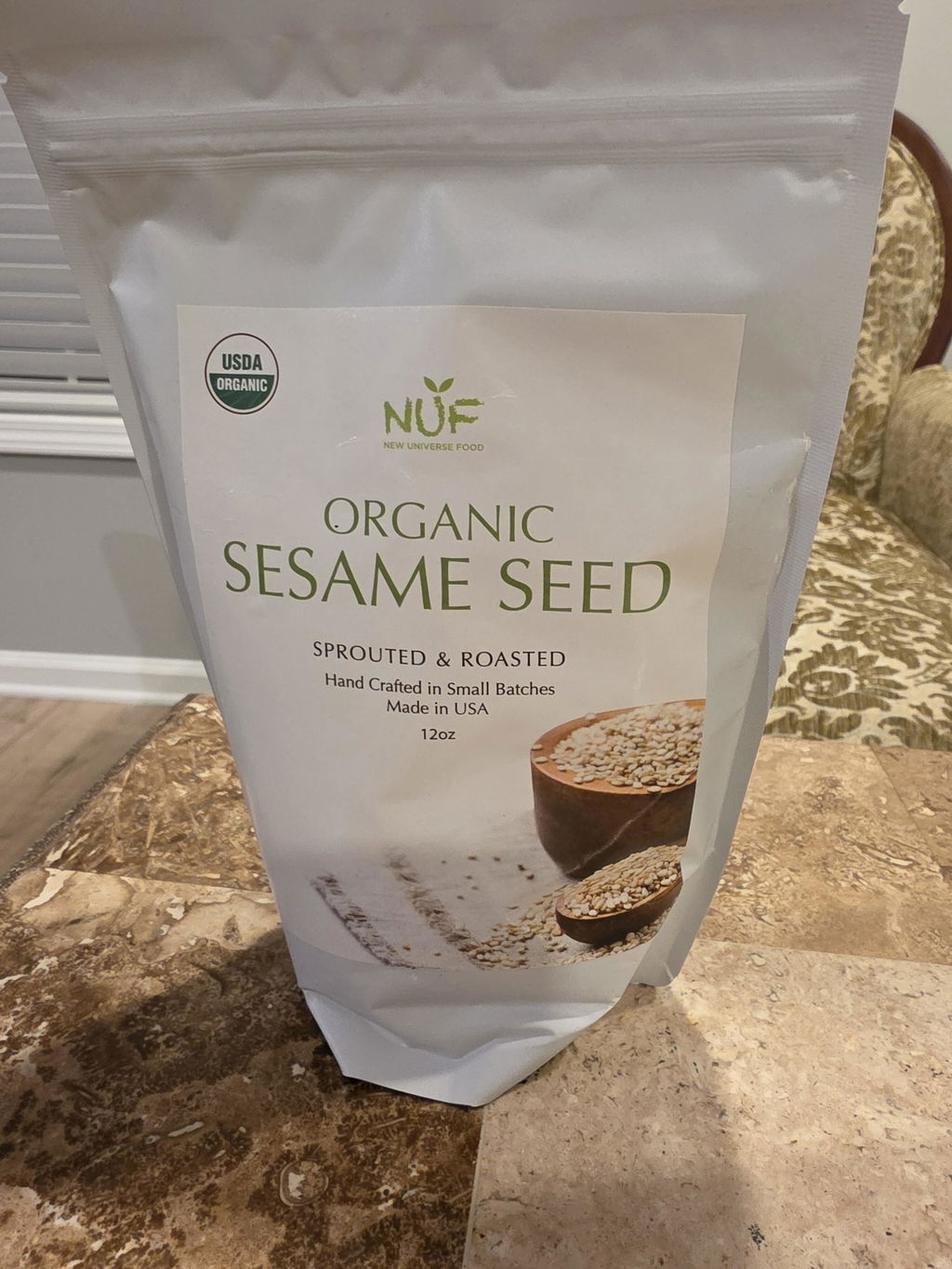
- Seeds
CDC guidance notes that fiber supports digestive health and helps with fullness. It also recommends practical strategies such as eating whole grains, vegetables, beans, lentils, fruit, nuts, and seeds more often. CDC
Rather than focusing on a single fiber supplement or ingredient, the broader goal can be to include more naturally fiber-containing foods across the day.
Whole Foods and Fortified Foods Can Both Have a Place
One idea we want to be careful about is the claim that synthetic or fortified nutrients are somehow “not recognized” by the body.
That is too broad and not scientifically accurate.
Fortified foods and dietary supplements can be useful in certain situations. Federal dietary guidance specifically notes that fortified foods or supplements may help provide nutrients that are difficult to obtain in adequate amounts from food alone. Vitamin D is one example where fortified foods or supplementation may sometimes be appropriate. Dietary Guidelines
At the same time, whole foods offer something supplements usually do not: a broader food matrix that can include fiber, protein, healthy fats, vitamins, minerals, and naturally occurring plant compounds together.
This is why a balanced diet is generally built around foods first, while fortified foods and supplements can play supporting roles when appropriate.
Does Eating Ultra-Processed Food Automatically Mean Poor Nutrition?
Not necessarily.
Food processing exists on a spectrum, and processing alone does not tell you everything about nutritional quality.
However, when a large share of the diet comes from foods high in refined carbohydrates, added sugars, sodium, or saturated fat and low in fiber and nutrient-rich ingredients, it can become harder to maintain a balanced overall eating pattern.
Current CDC guidance recommends emphasizing nutrient-dense foods while limiting highly processed foods, added sugars, refined carbohydrates, and excess sodium. CDC
The goal does not need to be perfection.
It can simply be:
more whole and minimally processed foods, more often.
A Practical Way to Improve Nutrient Variety
Instead of asking whether your diet is “good” or “bad,” look at variety.
Over the course of a week, are you regularly eating:
- Different-colored vegetables?
- Fruits?
- Beans or lentils?
- Whole grains?
- Nuts and seeds?
- Appropriate protein foods?
- Healthy fats?
- Foods that naturally provide fiber?
If the answer is “not very often,” that gives you something practical to work on.
You do not have to overhaul your diet overnight.
Small additions can help.
Add beans to a soup.
Add spinach to eggs.
Use berries and nuts with oatmeal.
Add lentils to a grain bowl.
Keep frozen vegetables available for busy nights.
Choose whole grains more often.
The point is not to chase individual nutrients one by one. It is to improve the overall nutritional pattern.
Where Self Balancing Food Fits
Self Balancing Food was developed as a convenient way to add a variety of plant-based whole-food ingredients to meals you already eat.
It is not intended to diagnose, treat, or correct a nutrient deficiency.
It also should not replace vegetables, fruits, beans, grains, proteins, or other whole foods.
Its role is simpler:
convenience and variety.
It can be added to:
- Smoothies
- Oatmeal
- Yogurt
- Soups
- Grain bowls
- Sauces
- Other everyday meals
For someone who already eats a balanced diet, it can simply be another way to incorporate a broader mix of plant-based ingredients.
For someone whose routine is less consistent, it may offer a practical way to make certain meals more varied.
Food Variety Matters More Than a Single “Perfect” Ingredient
Nutrition problems rarely come down to one missing food.
Likewise, one powder, supplement, or “superfood” cannot compensate for an otherwise limited diet.
A better long-term strategy is to build variety across the week.
That means different vegetables, fruits, grains, legumes, proteins, nuts, seeds, and other nutrient-rich foods.
The CDC's current healthy-eating guidance similarly emphasizes a broad pattern of nutrient-dense foods rather than a single ingredient or restrictive eating approach. CDC
When Testing or Professional Guidance Makes Sense
If you are concerned about a specific nutrient deficiency, guessing from symptoms is not very reliable.
Age, medications, digestive conditions, pregnancy, kidney function, dietary restrictions, sun exposure, and many other factors can influence nutrient needs and status.
In some cases, a clinician may recommend laboratory testing or a specific fortified food or supplement.
That is particularly important before taking high-dose supplements or making major dietary changes to correct a suspected deficiency.
The Bottom Line
You can eat enough calories and still have room to improve the nutritional quality of your diet.
That does not mean everyone is “starving” or deficient.
It means that calorie adequacy and nutrient adequacy are different questions.
A practical approach is to focus on:
- More food variety
- More vegetables and fruits
- More fiber-rich whole foods
- Beans and lentils
- Whole grains
- Nuts and seeds
- Appropriate protein foods
- Less dependence on foods that contribute calories without much nutritional variety
For many people, that is a more useful—and less alarming—way to think about nutrition.
Enough food matters. So does what that food brings with it.
Sources
WHO explains “hidden hunger” in the context of micronutrient deficiencies and population nutrition monitoring. World Health Organization
WHO — Monitoring micronutrient status in populations
CDC provides current guidance emphasizing nutrient-dense foods, dietary variety, and fiber-rich foods. CDC
CDC — Healthy Eating Tips
NIH Office of Dietary Supplements provides evidence-based reference information on potassium and vitamin D. ODs.OD.nih
NIH — Potassium Fact Sheet
NIH — Vitamin D Fact Sheet
For the older U.S. intake statistics cited above, the 2020–2025 Dietary Guidelines remain the underlying federal source for those specific figures.